Grapple Sniper Arena FFA vs CTF Player Strategies
Role sheets and mindset shifts between deathmatch chaos and objective play.
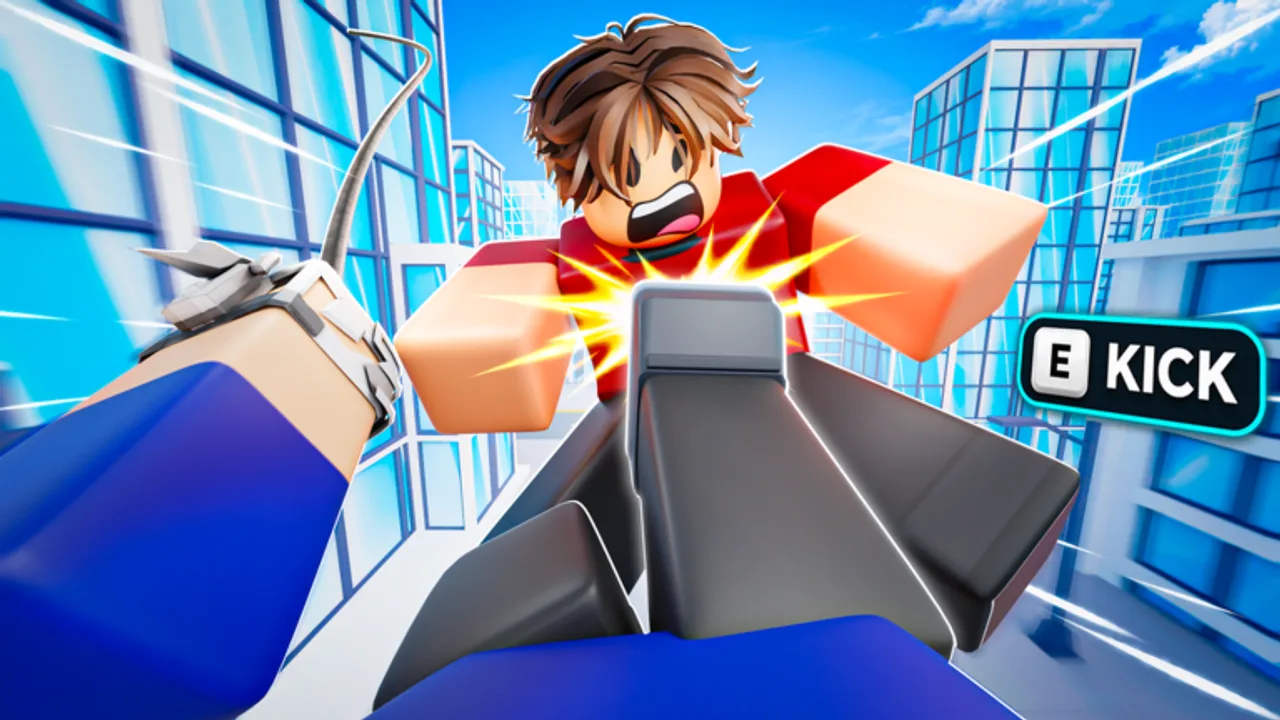
Grapple Sniper Arena currently features two headline modes: Free For All and Capture the Flag. Same kit—grapple, sniper, knife, dropkick—radically different incentives. This page is a player-roles briefing: who you should “be” each life, how to swap mindsets when you change playlists, and which linked guides deepen each job. Server size sits around thirteen players, so both modes stay personal; one idle defender or one greedy fragger is visible on the timeline.
If you are brand new, skim getting started first, then return here before your second CTF night.
Shared foundation both modes demand
- Reliable world grapples and emergency rehooks.
- Verified controls so hook and kick are not fighting your jump key.
- Discipline about exploits—cheating is a permanent ban in every playlist.
- Acceptance that skins are flex, not loadout power.
Everything below assumes those basics.
Free For All: roles inside the chaos
FFA has no official classes, but strong players still pick a temporary identity each life.
Lone hunter
You take off-angle swings, win an isolated duel, then leave before the third party arrives. Tools: short hook chains, stabilized peeks, occasional enemy pulls. Avoid lingering on your own kill cam angle—listeners are coming.
Third-party scavenger
You listen for fights, arrive late from high ground, and clean weakened targets. Ethical within FFA rules, toxic only if you also teabag chat. Leave immediately after the pick; scavengers who loot the spotlight die next.
High perch controller
You own a tower line, deny rotates with sniper pressure, and yank anyone who tries to share the roof. Rotate perches every minute so grenade-brains—and better grapples—cannot pre-aim you forever.
Melee disruptor
You specialize in pulls into knife or dropkick. High variance, high fun. Cap your attempts so you do not int the entire lobby trying to force boots onto ready scopes.
FFA mindset rules
- Every other player is the objective.
- Staying still is volunteering.
- Multi-kills matter less than not chaining deaths.
- After two losses in the same lane, change layer.
Capture the Flag: real jobs
CTF needs explicit roles. Call them even in solo queue chat.
Entry
Softens the enemy stand with the first duel or distraction swing. Does not touch the flag unless the lane is already empty. Success looks like space, not a hero steal into three rifles.
Carrier
Grabs and leaves. Prefers mid-layer escapes with two backup hooks. Shoots only when necessary. Melee only to clear a single blocker. Detailed habits live in the CTF guide.
Escort
Travels near the carrier on a different elevation—usually one layer higher—winning side peeks so the carrier never hard-scopes. Escorts who race ahead for personal kills fail the job.
Home defender
Rotates between deep hold and mid denial. Cuts returning carriers with long world hooks instead of pure trail chases. Keeps at least a partial eye on the stand when teammates all greed mid.
Mid controller
Owns the map’s hinge. Delays enemy stacks, feeds info, and times when entry should go. The quiet MVP of organized rounds.
CTF mindset rules
- The flag is the objective; kills are tools.
- Empty home is an emergency.
- Cutting beats chasing.
- One carrier plus discipline outperforms five uncoordinated hunters.
Mindset swap checklist when changing modes
Leaving FFA → CTF:
- Mute the urge to third-party every gunshot.
- Pick a job before you leave spawn.
- Treat greedy dropkicks as suspicious habits.
Leaving CTF → FFA:
- Re-enable opportunistic hunts.
- Stop waiting for “permission” to take a duel.
- Still keep emergency rehooks—deaths still matter for momentum.
Tool priority by mode
| Tool | FFA emphasis | CTF emphasis |
|---|---|---|
| Grapple | Chase and escape equally | Escape, cut, yank carriers |
| Sniper | Duel closer and perch denial | Lane denial and escort overwatch |
| Knife | Finish pulls | Doorway and stand scraps |
| Dropkick | Highlight closer | Situational single denial |
Movement tech priority rankings that feed both columns sit on the movement tier list.
Duo and mini-stack notes
Even a two-player party changes CTF math: one entry + one carrier, or one defender + one mid. In FFA, parties should avoid intentional teaming that breaks Roblox rules for deathmatch fairness—play independently when the mode expects it. When in doubt, follow the experience’s intended competition format.
Practice prescription
- Two FFA matches focused on hunter or perch identity only.
- One CTF match as dedicated defender.
- One CTF match as entry/carrier only.
- Review: did you play a job, or wander?
Watch high-level public matches for rotate timing, not only for trickshots. Then rebuild the same decisions slower in your own lobbies.
Economy and downtime
Both modes earn coins for cosmetics. Do not open the shop mid-carry. Redeem codes between matches when they exist (none active November 2026) using gear / M → ENTER A CODE → REDEEM.
Related pages
- Players hub — roster-style pages as the wiki expands.
- Capture the Flag — objective routes deep dive.
- Grapple movement — shared mechanical spine.
- Dropkick — melee converts by mode.
- Tier List hub — practice priority lists.
Choose a role, swing with purpose, and let the mode’s win condition—not your last highlight—pick your next hook. That is how Grapple Sniper Arena players climb from chaotic lobby energy to intentional arena craft.
Frequently Asked Questions
Quick answers about Grapple Sniper Arena mechanics, modes, and rewards.
Which mode should I main as a beginner?
Use FFA to learn grapples and duels, then add CTF once you can rotate without panic. Both modes teach skills the other needs.
What is the most important CTF role?
The one your team is missing. A silent home defender often raises win rate more than a sixth greedy entry.
Can I play Capture the Flag like Free For All?
You can, but you will lose objectives. CTF requires jobs, cuts, and restraint on side chases.
Do dropkicks matter equally in both modes?
They are flashier in FFA. In CTF, use them as situational denial—especially near stands—not as your default openers.
How big are the servers?
About thirteen players. That size keeps both FFA and CTF readable, so individual role mistakes show up quickly.